

DKNVS for the next 300 years: A driving force and a relevant forum
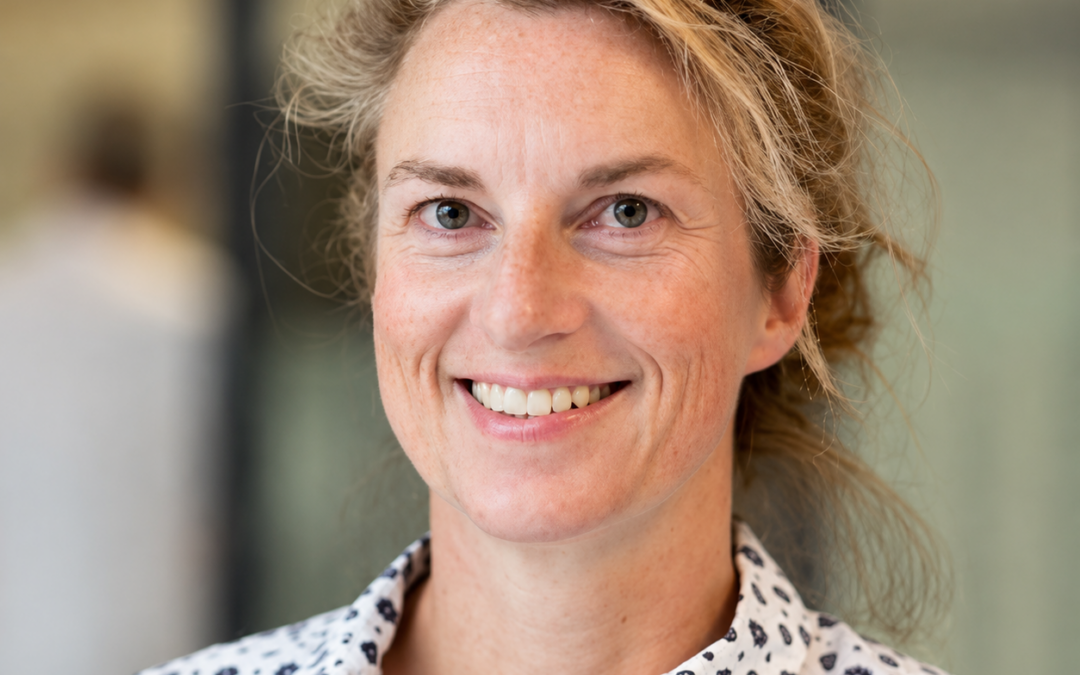
DKNVS’ new President, Asta Kristine Håberg, was elected to membership of the Society in 2017. She is a physician and Professor at the Department of Neuromedicine and Movement Science, Faculty of Medicine and Health Sciences, NTNU, as well as Research Director for Brain Imaging at the national research centre MiDT at St. Olavs Hospital. Her research fields are brain imaging and neuroscience (see publications here). Håberg was elected President after serving as Vice President alongside President May Thorseth for the preceding six years, having previously served as a group chair.
From Vice President to President
Her motivation for standing for election as President arose as a natural continuation of her service as Vice President. Together with Thorseth, she had initiated several changes, including transferring Skrifter to Idunn, the publishing platform operated by Universitetsforlaget, to ensure the academic quality and accessibility of DKNVS’ principal publication. Other initiatives include introducing new formats for the Society’s meetings at Litteraturhuset i Trondheim (Trondheim’s House of Literature) and following up on matters concerning the Gunnerus Library in connection with NTNU’s new roadmap for the University Library.
Sustainable finances and support for early-career researchers
Regarding her objectives for her term of office, Håberg first identifies finances and research support.
I have several objectives for my term as President.. The overarching objective is for DKNVS to serve as a driving force in advancing science and disseminating scientific knowledge. To achieve this, the organisation must have sustainable finances to maintain its core activities, but above all, sufficient financial flexibility to renew, expand and improve its work in advancing science and disseminating scientific knowledge. Furthermore, returns on the Society’s funds are important if DKNVS is to maintain, and preferably increase, the provision of research grants. I am particularly concerned with supporting early-career researchers, given the constrained budgets at several Norwegian universities and the current decline, in real terms, in public research funding available through competitive calls.
The role of the Society’s meetings
Håberg also emphasises the traditional meetings of the Society as an important forum for scholarly exchange.
Together with the DKNVS Board and administration, we are working to ensure that DKNVS remains a relevant forum in which our members can come together to present their own research and learn about the exciting research undertaken by others. DKNVS provides a unique forum for learning about other researchers’ fields of expertise and scientific breakthroughs. The lectures delivered at the Society’s meetings are of a very high academic standard. DKNVS’ meetings at Litteraturhuset provide opportunities for larger gatherings and facilitate public participation, in accordance with the Society’s role in disseminating knowledge to all. Personally, I would welcome a balanced combination of larger meetings at Litteraturhuset and the traditional meetings at Elvegata 17, where there is scope for more in-depth scholarly discussion and a sense of community within DKNVS.
Welcoming members’ contributions
Håberg concludes with an invitation:
As stated on the DKNVS website and in the newsletter, the Board, the administration and I warmly welcome members’ suggestions for topics and speakers for the Society’s meetings, debates and excursions. Members are welcome to propose themselves or their research groups.
I hope to meet and become acquainted with as many members as possible at DKNVS events in the period ahead.