


Raising DKNVS’ profile: We have an important role to play in today’s world
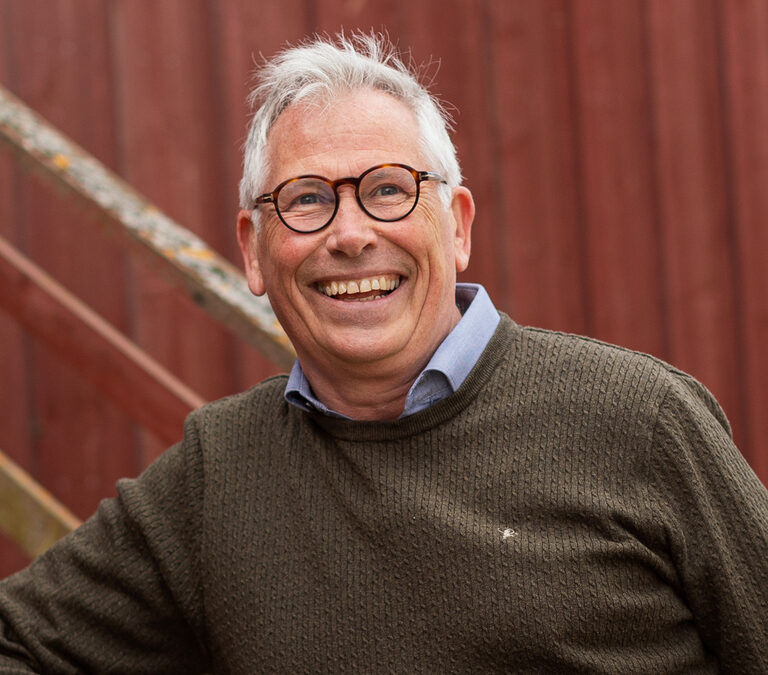
When Geir Arild Espnes was elected a member of the Royal Norwegian Society of Sciences and Letters (DKNVS), it was curiosity about the Academy’s role that first drew his interest. After several years as a group chair and division chair, his commitment has only grown. He now assumes the role of Vice President with a clear ambition to make DKNVS more visible and relevant.
Geir Arild Espnes was born in 1957 and is Professor of Public Health at the Department of Public Health and Nursing at NTNU, Director of the NTNU Centre for Health Promotion Research, and has conducted research in health psychology for many years. He also has experience in politics, including serving as Mayor of Oppdal from 2019 to 2023.
For Espnes, standing for election as Vice President was a natural continuation of the commitment he has developed over several years in DKNVS.
Ever since I was nominated and elected a member, I have been interested in what DKNVS can do to foster interest in research and the dissemination of research across disciplines. Through my roles as group chair and division chair, I have become increasingly familiar with the organisation and the role we can play. This motivated me to stand for election as Vice President.
Raising the Society’s profile
When asked which priorities he wishes to pursue during his term of office, his response is immediate
I want to make DKNVS more visible. More people should know what we do, both among our members and in society at large. I hope that greater visibility will encourage members to become more involved, while also helping more people outside the Academy recognise the important role DKNVS plays.
This is also what he most looks forward to in his new role.
I look forward to working towards a more prominent DKNVS. We must remain a relevant institution in today’s world and help research and knowledge reach a wider audience.
A forum for knowledge and a custodian of tradition
Espnes believes that DKNVS has several important responsibilities, but highlights two in particular: research dissemination and its role as a forum for exchange.
For members who contribute through publications or participation in our events, DKNVS provides an important institutional framework for this work. At the same time, we play a central role in disseminating research, both through lectures and through our publication channels.
He also emphasises the significance of the history entrusted to DKNVS.
We have existed since 1760. This gives us a truly distinctive role as a custodian of academic traditions, both locally and nationally, in collaboration with the other academies. This heritage carries responsibilities, while also providing a strong foundation for us to remain an important institution in the future.